



France's Presidential Elections / Past candidates
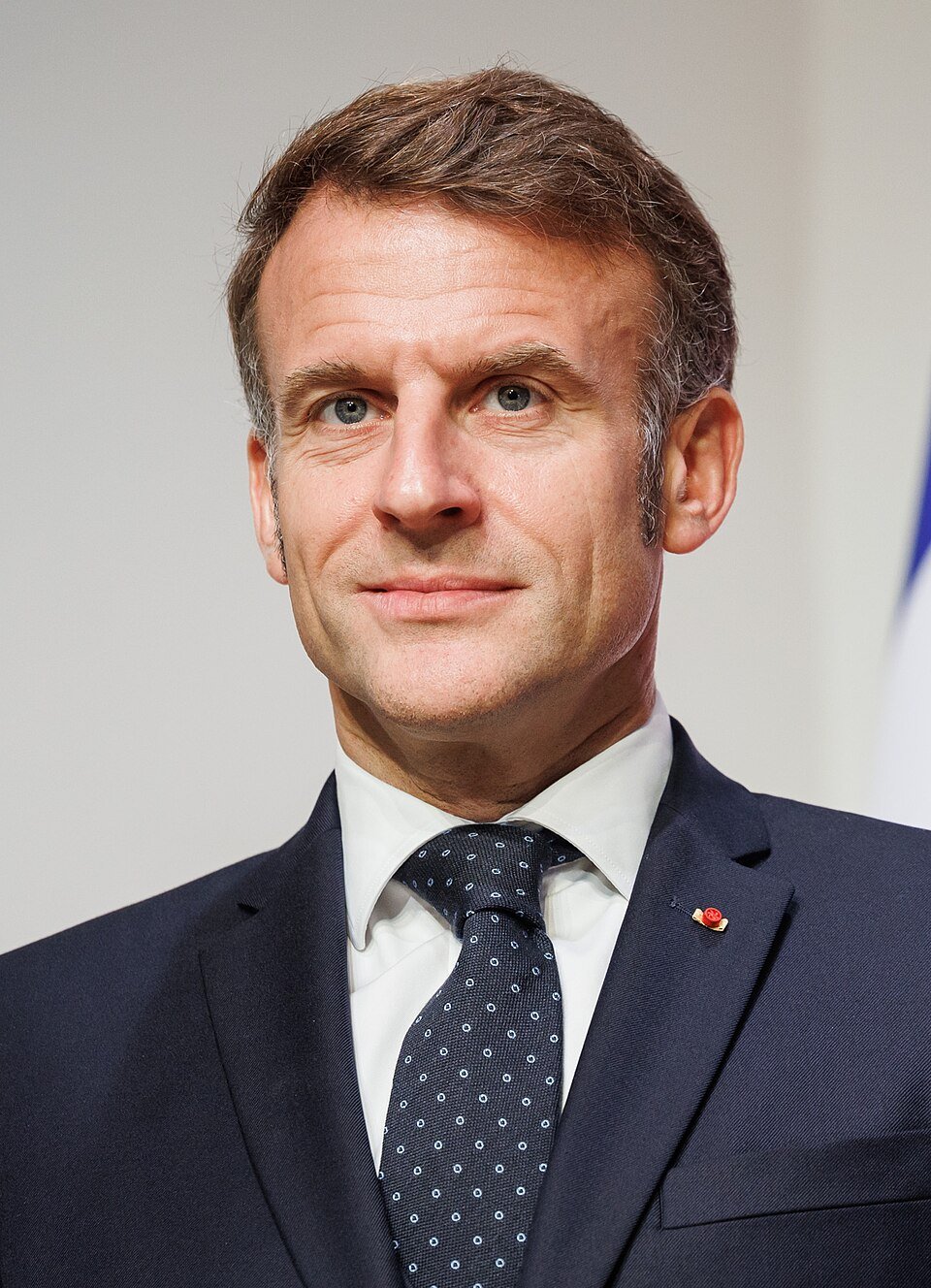
Emmanuel Macron
President of the Republic

En Marche! / La République En Marche
Article 6 of the Constitution bars anyone from serving more than two consecutive terms as President. Emmanuel Macron was elected in 2017 and re-elected in 2022, so he cannot stand again in 2027.
2017 and 2022
Emmanuel Macron in 2017 and 2022
2017
24.01%first round
Runoff 66.1%Won the presidency
Ran as En Marche!
2022
27.85%first round
Runoff 58.55%Won the presidency
Ran as La République en Marche
Share of votes cast. Source: Constitutional Council 2017, 2022. The tick marks 5%.
Background
Who Emmanuel is
Emmanuel Macron founded En Marche! in April 2016 and won the presidency a year later. He finished first in the 2017 first round and beat Marine Le Pen in the runoff. In 2022 he faced her again and won re-election.
His movement has changed name twice since its launch: En Marche!, then La République En Marche, then Renaissance. The founder is leaving office, but the party carries on under its new name.
The 2027 link
Renaissance, the party that grew out of En Marche!, is represented in 2027 by Gabriel Attal.
Same family, different names
En Marche! to Renaissance
A personal movement became a governing party, then took a name that no longer pointed at its founder. Renaming is common in French politics: parties often change name, logo and structure while staying the same political family.
- 2016 / En Marche!. Launched in April 2016 by Emmanuel Macron. The initials E.M. were widely noted as his own.
- 2017 / La République En Marche. Name used for the 2017 legislative campaign and the governing majority that followed.
- 2022 / Renaissance. Renamed in September 2022, after the re-election of its founder. In 2027 it is represented by Gabriel Attal.
Sources: Constitutional Council, 2017 results; 2022 results. Page prepared from public records and updated as the 2027 field is confirmed.
Image credits & sources
Photo: Emmanuel Macron 2025 (cropped).jpg. Nebojša Tejić. Via Wikimedia Commons. Public domain. Original source. Downscaled copy of the Commons file.
Logo: En Marche!: En marche logo.png. Emmanuel Macron. Via Wikimedia Commons. Public domain. Original source. Imported without retouching.
Logo: La République En Marche: La République En Marche 20023954 821008014744069 1732183326534736099 o.jpg. En Marche. Via Wikimedia Commons. Public domain. Original source. Imported without retouching.