A note before you scroll, by Dr. Amine Zidouh
Who gets to draw the map?
The organization of these candidates on this spectrum is my own editorial interpretation; it is neither “objective” nor official. I want to be honest about that from the get-go, before you even look at it, and before asking you to consider it or the perspective it offers, one among many.
Politics is, at its root, a quarrel about perspective. Stand on one side of the chamber and the other side looks like “the others”; cross the aisle and the roles reverse. Nobody watches a debate from nowhere. Picture a game of tennis in which one person writes the rules as the match unfolds, while also holding the whistle as l’arbitre and swinging a racket as a player. Call it the rules of tennis problem. Whatever that is, it is flawed by construction, and it is not what I call a democracy. Keep that image in mind: the next paragraph is about how things actually work in France today, and how strange the arrangement is.
France’s Ministry of the Interior publishes official political classifications, the nuances politiques used to classify candidates and lists. But a ruling party that is itself competing in the presidential race should not hold a monopoly on the power of naming, deciding who counts as “Left,” “Right,” “Extreme” or “Ultra.” Michel Foucault’s work on classification and power reminds us that names do more than describe: they help shape what we see as legitimate. Examining political discourse, legislative proposals and voting records on empirical evidence is the duty of independent scholarship and , not of the government of the day.
I also refuse the lazy comfort of the “Center.” Pierre Bourdieu showed that the claim to occupy a neutral middle is itself an ideology, one that presents the existing order as simple common sense. Chantal Mouffe calls its result technocratic depoliticization: debate is drained of real conflict, dissent is delegitimized as “extremism,” and meaningful differences disappear into a convenient false equivalence. This power of naming can also be turned selectively against the parties those in power see as their greatest political threats. There is no neutral territory. There are only positions, and the honesty to name them.
Bryan Stevenson, founder of the Equal Justice Initiative, teaches that “there is power in proximity.” That is the method of this page: get proximate to the actual programs, speeches and voting records, not to second-hand labels. Sometimes that list also includes court records involving candidates and members of their parties. You’ll quickly realize that in French politics, the road to public office can include a few (sometimes many) trips to the courthouse. Every profile links to primary documents so you can test my placement against the evidence yourself.
A map, a spectrum, a representation, a perspective: each is only a way of seeing, and every way of seeing leaves something in the dark. So do not take mine, or anyone’s, on trust, least of all from those who hold power and write the labels. There is a risk in naming everything outside “the Center” too far, too extreme, too frightening, and in presenting the two supposed extremes as equally dangerous, as though their histories, projects and consequences were interchangeable. They most definitely are not. There is also a risk in ‘thinking’. Let both the perspective offered by this spectrum and the quote below be lanterns rather than verdicts: thinking is a risk, because it can change you, and a mind that never risks that is condemned to borrow someone else’s certainties. Many of us remember Descartes through “I think, therefore I am,” forgetting the doubt that brings him there. In the very next paragraph, he writes that “from the very fact that I thought of doubting the truth of other things, it followed very evidently and very certainly that I existed.” Doubt is not an addition to his argument: it is already there, at its heart. To doubt is already to think. Read slowly, doubt kindly, and decide for yourself.
Advance at your own risk.
The candidate spectrum
My own editorial mapping. Read the note above before trusting any axis, including this one. Hover a portrait or any part of the chamber to see seats and past presidential results. Candidate cards stay open while you read or scroll. Click another portrait to switch; click Close or blank space, press Escape, or move well away to dismiss. Use the link in the card to read the full dossier.
Turn your phone sideways to explore
Discover the full political spectrum in landscape view. Tap a candidate to enlarge their portrait, see their parliamentary representation, and explore their political background. Turn your phone upright to return to this page.
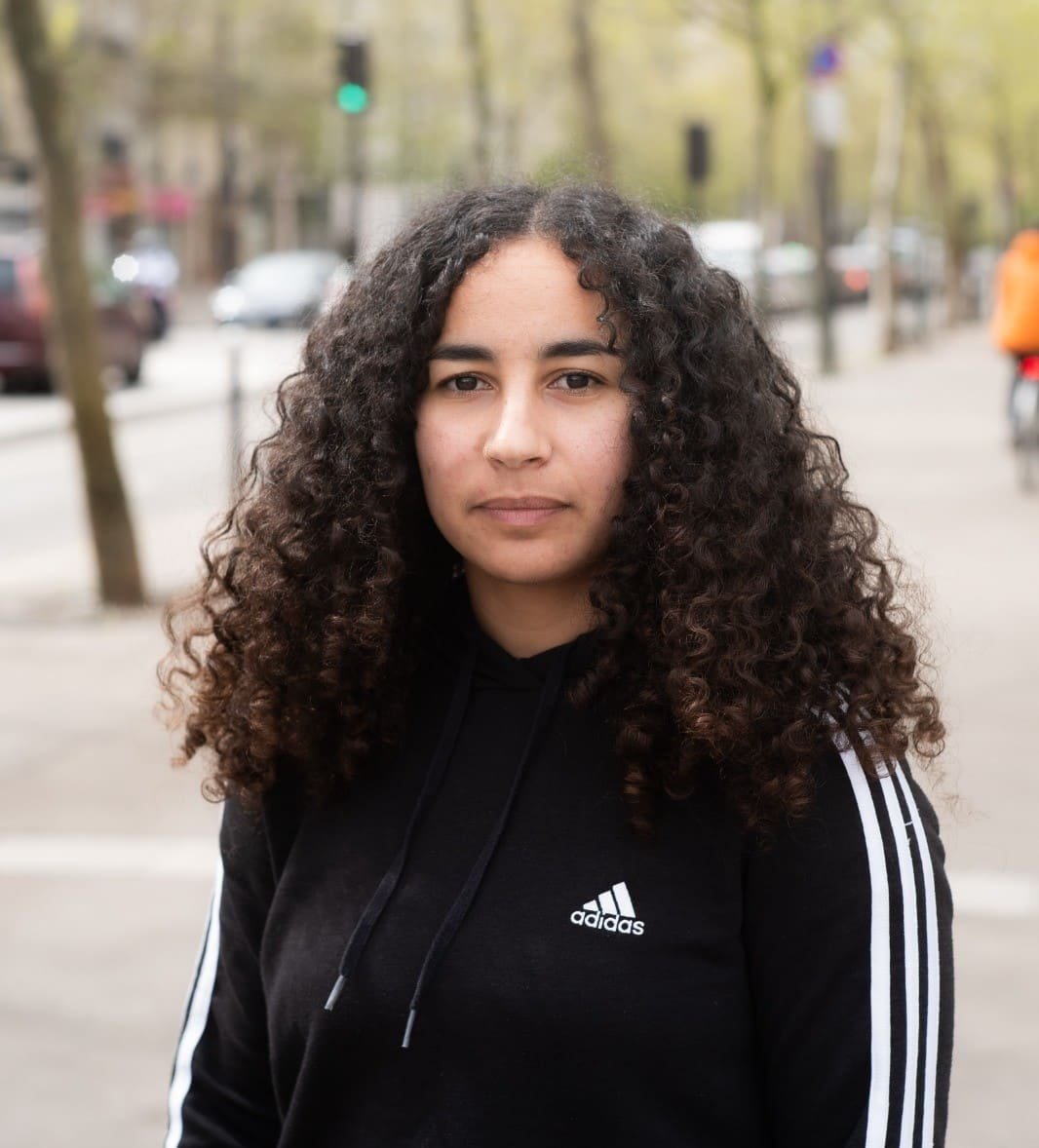


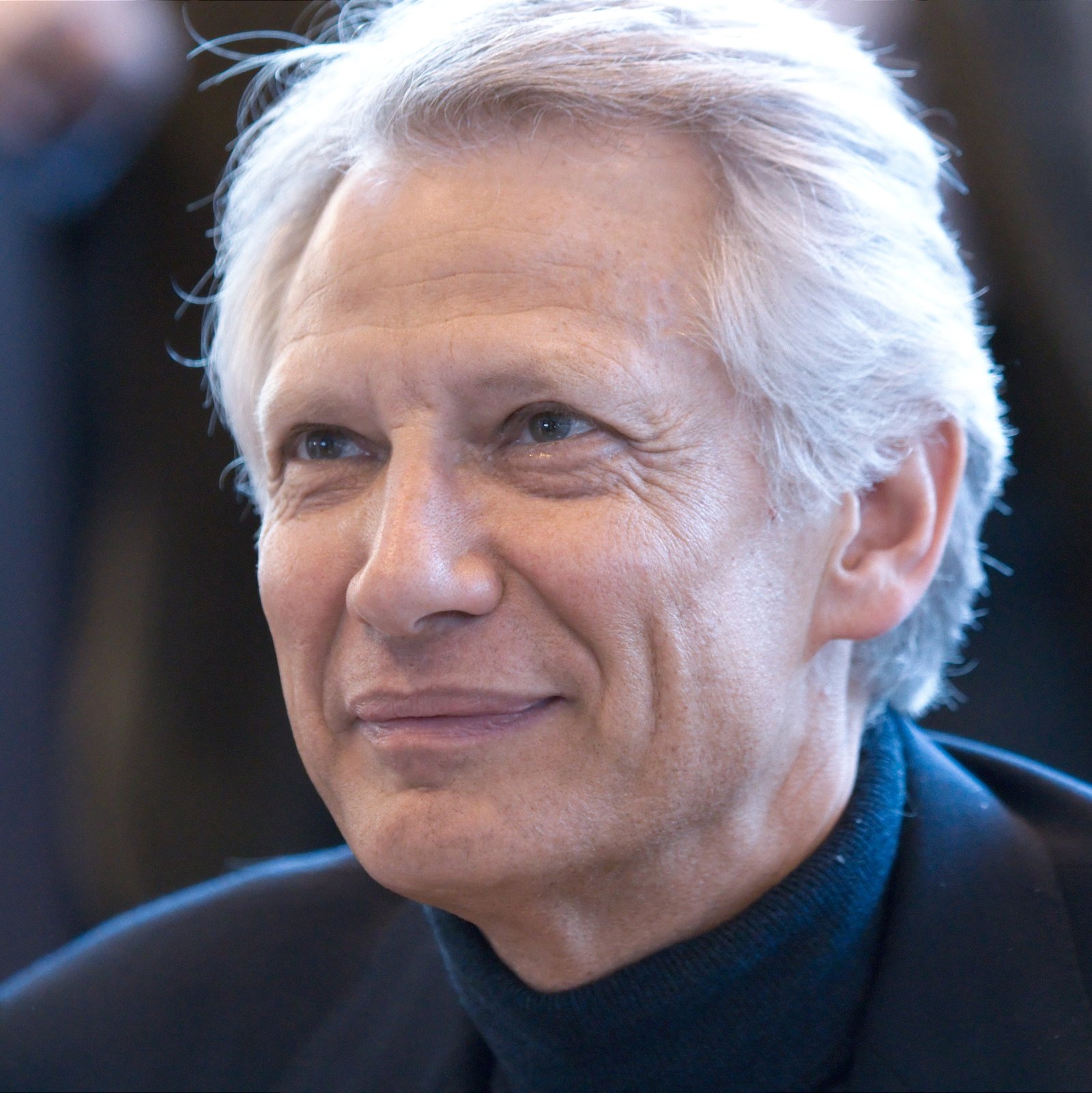

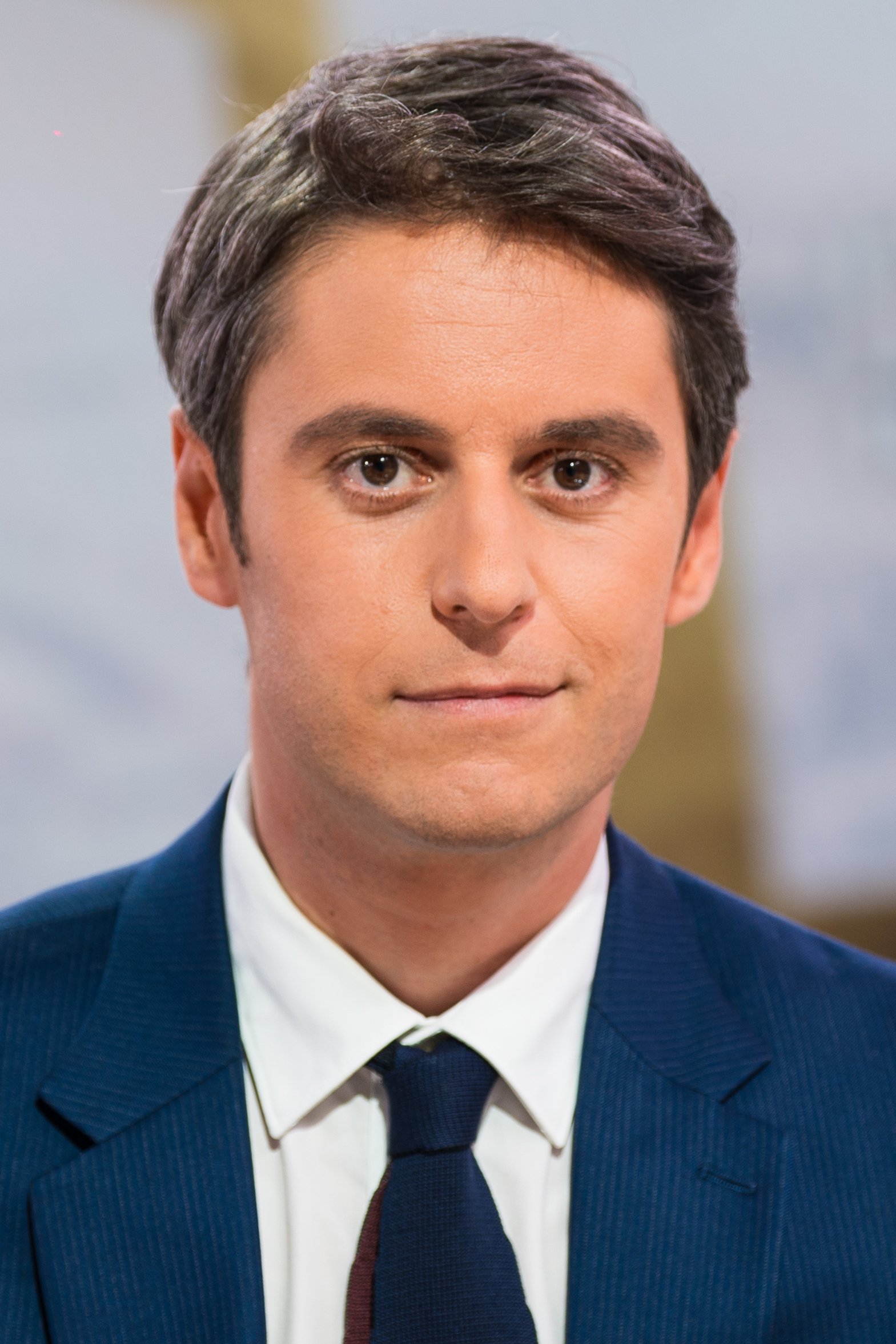
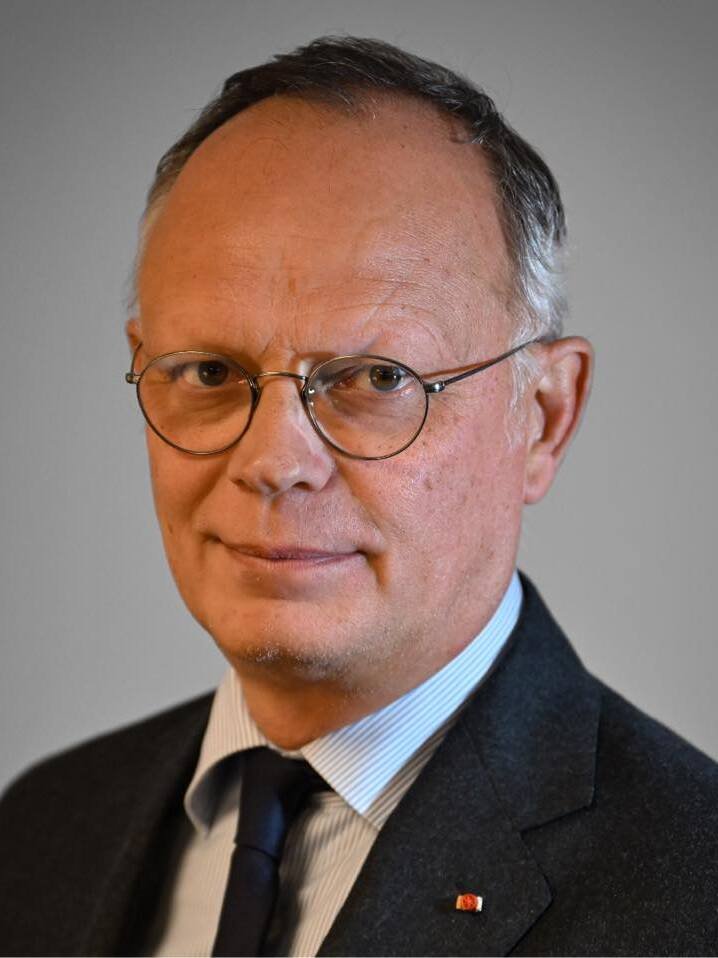
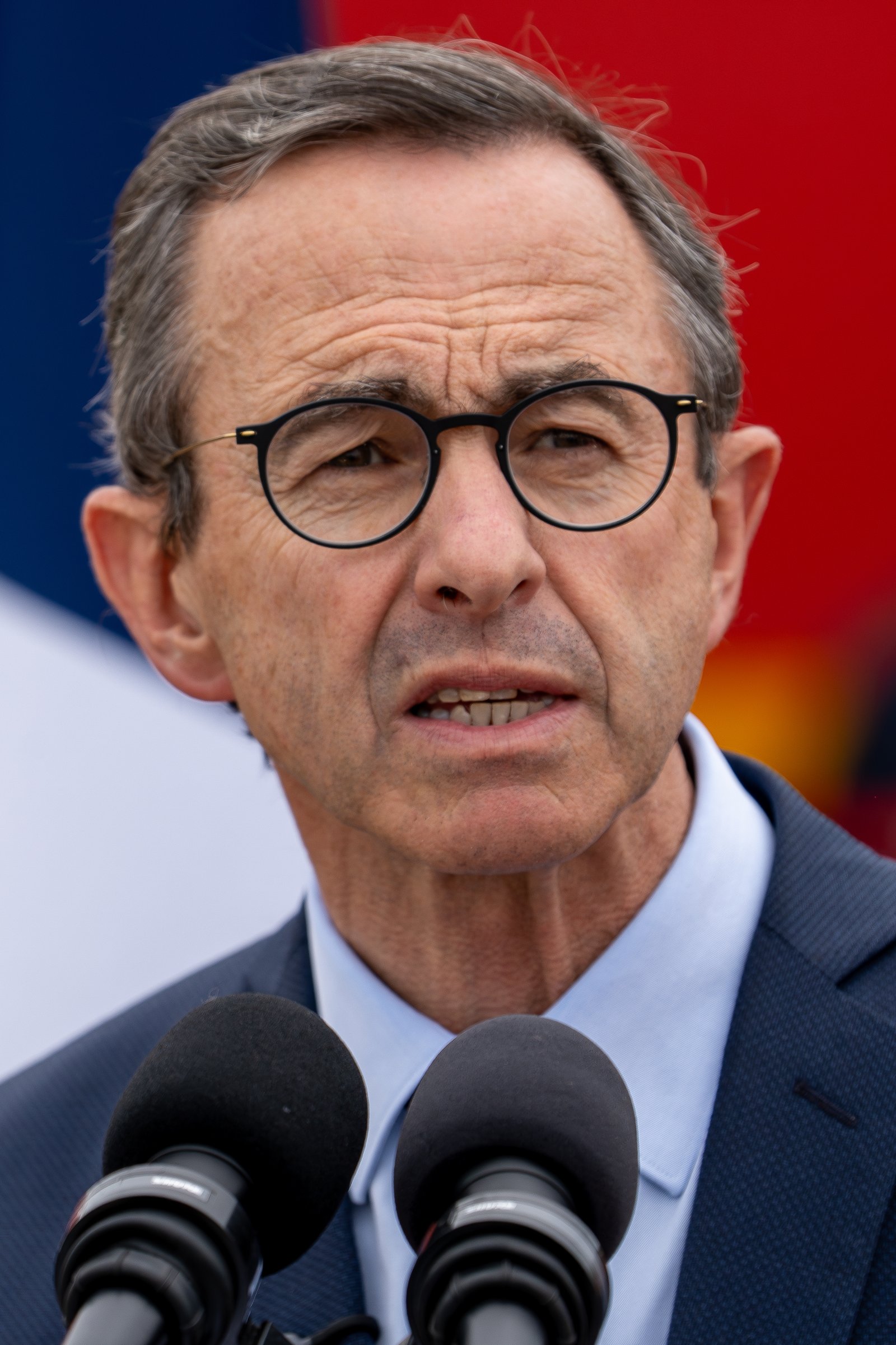
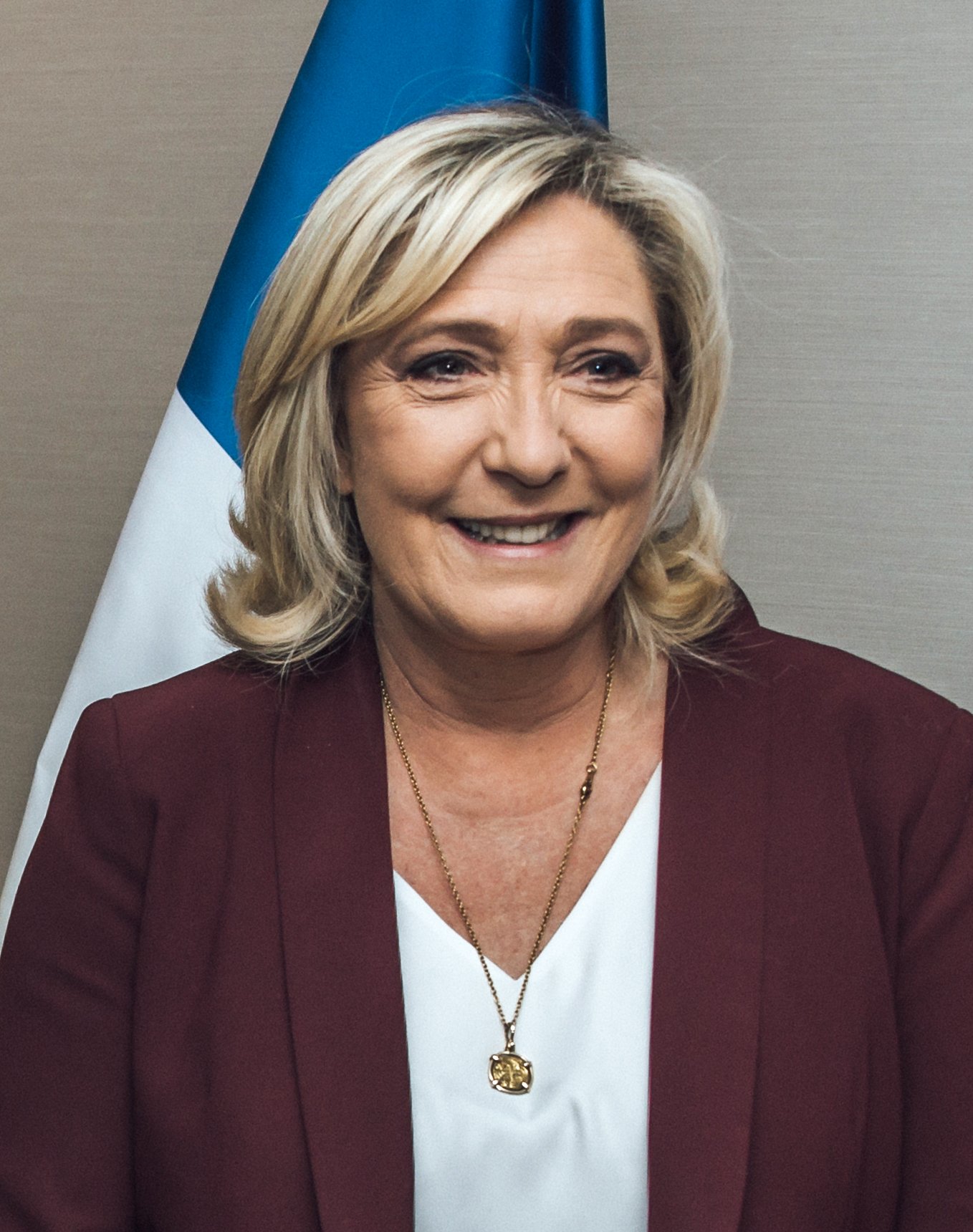
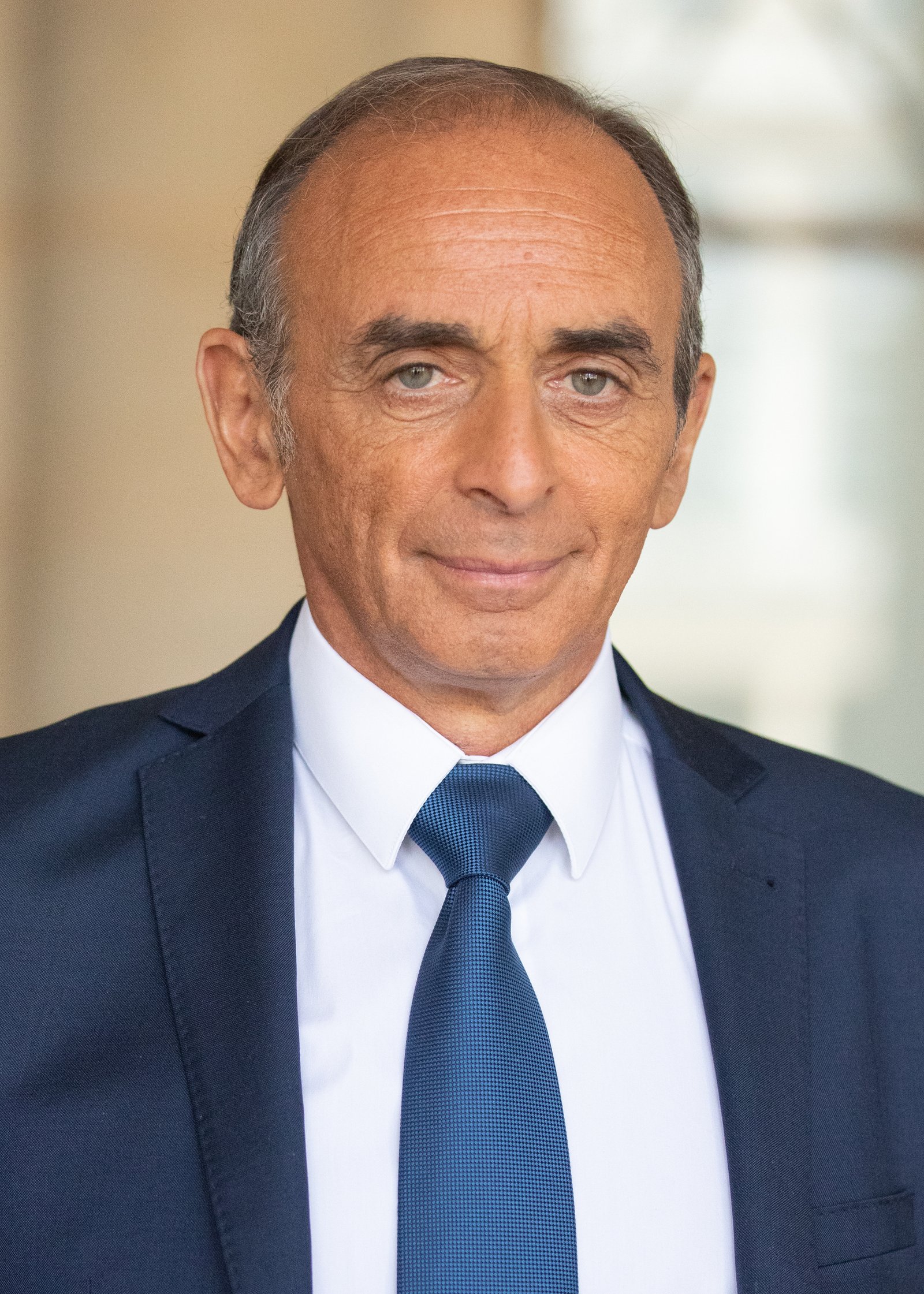
Each dot is one of the 577 seats of the National Assembly, grouped as in the chamber. Seat counts: Assemblée nationale, November 2026. Presidential results: Constitutional Council, 2017 and 2022. Percentages are shares of votes cast.
- Selma LabibRevolutionary Left · Anti-Capitalist, NPA – Révolutionnaires
- Jean-Luc MélenchonRadical Left · Eco-Socialist, La France insoumise
- Marine TondelierGreen · Eco-Socialist, Les Écologistes
- Raphaël GlucksmannLiberal, Place publique
- Dominique de VillepinGaullist · Sovereigntist, La France humaniste
- Gabriel AttalLiberal-right, Renaissance
- Édouard PhilippeExtreme Right, Horizons
- Bruno RetailleauExtreme Right, Les Républicains
- Marine Le PenFar Right · Identitarian, Rassemblement national
- Éric ZemmourFar Right · Identitarian · Great-Replacement Conspiracist, Reconquête!
Meet them up closeMeet the candidates
The same contenders, grouped under the political family each one belongs to in this editorial mapping.
Left
Traditions that put equality and collective protection first, from social democracy and political ecology to the radical left. Scholars reserve “far left” or “radical left” for the most anti-capitalist and system-challenging positions.
Liberal
Tendencies built on individual liberty, market economics and institutional continuity. Political scientists describe the sharper, more technocratic versions as the “radical centre” or “extreme centre”, a contested label.
Right
Conservative and national-identity traditions, from the mainstream right to the “radical right” and “far right”, a distinction drawn by attitudes to pluralism, immigration and liberal institutions.
Beyond the profiles
These topics are the issues, not the people: the questions shaping French culture, society and politics.
Who Gets to Define “Extreme” in French Politics?
Read the visual essayIdentity / everyday lifeDoes France Have an Obsession with Islam? Yes.
Read the visual essayColonialism / national memoryFrance Has Not Worked Through Its Colonial Past: Memory, Denial, and the Politics of Moving On
Read the visual essayRights / nation / accountabilityEveryone Wants the French Revolution. Nobody Wants the Whole Inheritance.
Read the visual essayKeywords · search topics
- french elections when
- when are french elections
- when are the french elections
- french elections 2026
- french elections 2027
- next french elections
- upcoming french elections
- french polls
- french election polls
- french elections polls
- how do french elections work
- french presidential election 2027
- french elections date
- france elections
- french president elections
- French political parties explained
- France election 2027 candidates
- French presidential runoff 2027
- French presidential election eligibility
- French election official candidate list
- France election guide for Americans
- French election news in English
France's 2027 presidential election:
First round: . Second round: .
If no candidate wins more than 50% of valid votes in the first round, the top two contest a runoff two weeks later. Presidential, municipal and legislative elections have separate calendars.
An editorial selection. The official list of presidential candidates will be available on this page once the official candidates are confirmed by the cutoff date.
France’s 2027 election: practical questions
When are French elections? What is the 2026 vs 2027 timeline?
France’s next presidential election is in 2027: first round on 18 April 2027, second round on 2 May 2027. The 2026 municipal elections were scheduled for 15 and 22 March and choose local councillors, not the president. Legislative elections choose MPs: the ordinary next election is in 2029 unless the National Assembly is dissolved earlier. Cohabitation describes a president and government from different political camps; it is not an election date. Searches for ‘French elections 2026’ can concern local voting or the possibility of snap legislative elections, not a scheduled 2026 presidential vote. Read more · Source.
What do French election polls show? What are the latest French election polls?
French election polls measure voting intentions for a specific candidate lineup at a specific time; they do not predict the winner. First-round estimates and hypothetical runoff pairings answer different questions and cannot be combined. Read the institute, sponsor, fieldwork dates, sample, questionnaire, weighting and uncertainty together. This site’s polling essay explains sourced surveys and methodology, not a live polling average or a real-time leaderboard. Read more · Source.
How do French elections work? How does the two-round voting system work?
French voters elect the president directly. A candidate wins the first round only with more than 50% of valid votes; exactly 50% is not enough. Otherwise the two leading candidates contest a runoff two weeks later. Blank and invalid ballots do not count as valid votes. Legislative and municipal elections have their own rules: the presidential top-two rule should not be applied to every French election. Read more · Source.
Who is running in the next French elections?
The election guide profiles declared and potential contenders, withdrawn names and contextual figures, including Marine Le Pen, Jean-Luc Mélenchon, Gabriel Attal and Édouard Philippe. Their profile labels explain the documented status; inclusion is not proof of ballot eligibility. Emmanuel Macron cannot seek a third consecutive presidential term. The Constitutional Council establishes the final official ballot after checking qualification requirements. The candidate spectrum is Amine Zidouh’s editorial interpretation, not an official classification or a polling ranking. Read more · Source.
Teaching and learning
Intended audience: Undergraduate students in French studies, history, political science and related fields; independent adult learners.
Suggested uses: Guided reading, seminar discussion, comparative political analysis and media-literacy activities.
After using this resource, learners should be able to:
- Explain the electoral and institutional context of the election examined.
- Compare candidates or political positions using the sources available in this resource.
- Distinguish official results, polling scenarios and critical interpretation.
Use the objectives that correspond to the material available on this page. Collection pages provide entry points to individual resources; unfinished or unavailable material is not a completed learning activity.
Original materials © Dr. Amine Zidouh / French Politics, licensed under CC BY-NC 4.0 unless otherwise indicated. When sharing or reproducing covered material, credit Dr. Amine Zidouh and French Politics, link to the source and license, and identify changes. Images, protest signs, artworks and other third-party materials are excluded. See Rights, Credits & Educational Reuse for scope, attribution and the as-is disclaimer.
Explore individual profiles from the 2027 election spectrum
- Marine Le Pen: political background, policies and 2027 election status
- Jean-Luc Mélenchon: political background, policies and 2027 election status
- Édouard Philippe: political background, policies and 2027 election status
- Gabriel Attal: political background, policies and 2027 election status
- Raphaël Glucksmann: political background, policies and 2027 election status
- Bruno Retailleau: political background, policies and 2027 election status
- Marine Tondelier: political background, policies and 2027 election status
- Éric Zemmour: political background, policies and 2027 election status
- Dominique de Villepin: political background, policies and 2027 election status
- Selma Labib: political background, policies and 2027 election status